
At the end of July, Triangle Land Conservancy purchased 602 additional acres along the Neuse River in Johnston County, bringing the…
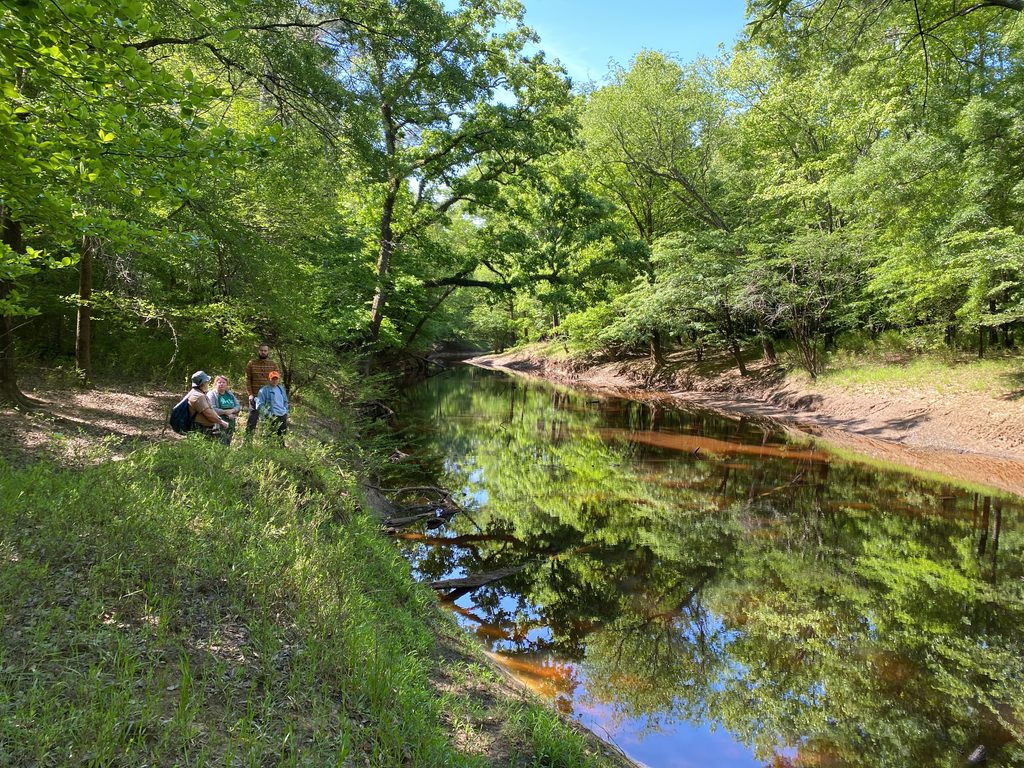
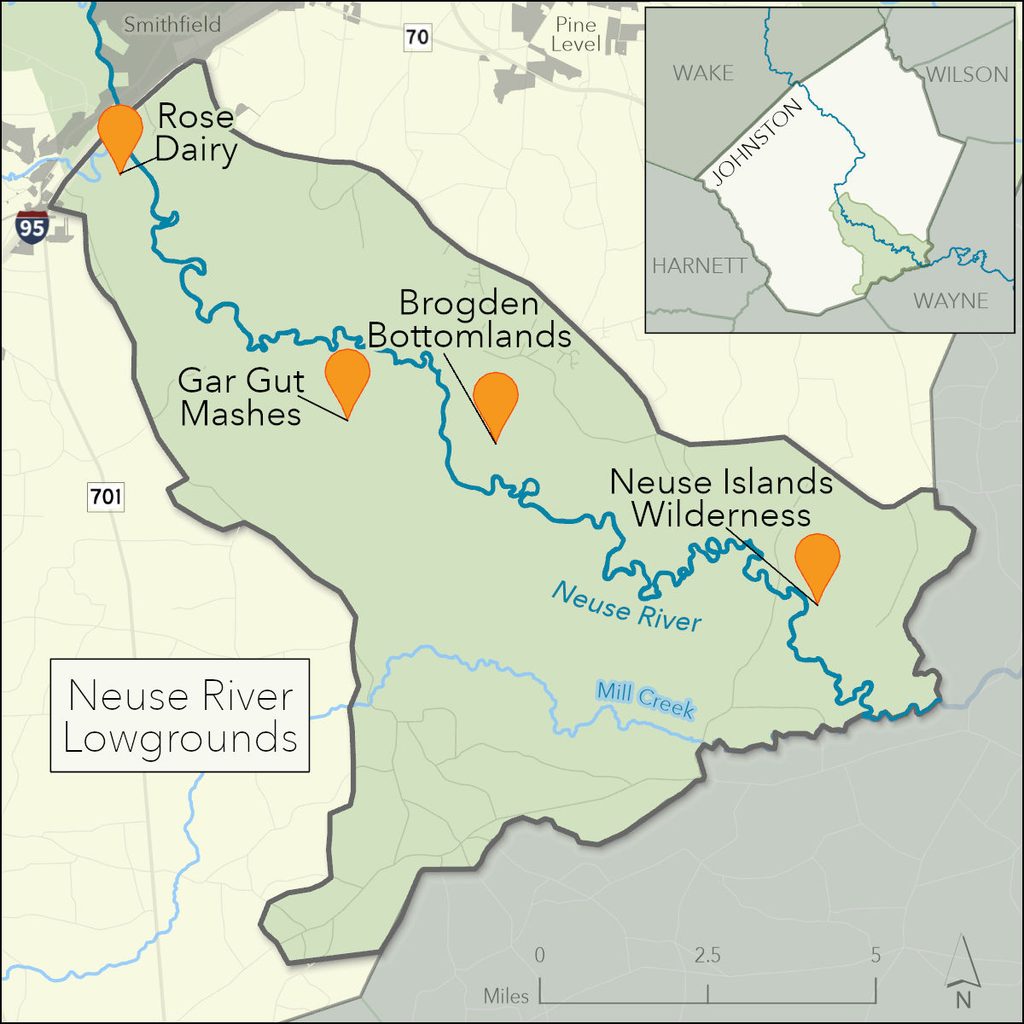
East of Interstate 95, between Smithfield and Goldsboro, lies a vast wilderness still untouched by the Triangle's encroaching development.
This area, known as the Neuse River Lowgrounds, is 72 square miles of nearly roadless backcountry encompassing a floodplain four miles wide in some places. It is full of wetlands, sloughs, levees, and extensive mature cypress forest. It is the largest contiguous piece of undeveloped land in the Triangle and has been a conservation priority for TLC for more than 35 years.
The Lowgrounds area provides exceptional wildlife habitat for neo-tropical birds, fox squirrels, black bears, coyotes, bobcats, and other rarities. It is also critical to the City of Goldsboro and other downstream communities that rely on the Neuse River for drinking water because the massive floodplain is so effective at filtering impurities from the Triangle's urban stormwater.
Since TLC first identified the Lowgrounds as a priority area in 1990, the population in Johnston County has nearly tripled. New roads like US-70 Clayton Bypass and Interstate 540 have reduced commute times to the central portion of Johnston County, drawing residents who commute to jobs in RTP, Durham, and even Chapel Hill.
Amid these mounting pressures, TLC has been able to conserve a total of 2,840 acres in the Lowgrounds, including three projects in the last two years that, fueled by the Force for Nature campaign, protected more than 1,700 acres.
Rose Dairy Farm: The First Johnston County Nature Preserve
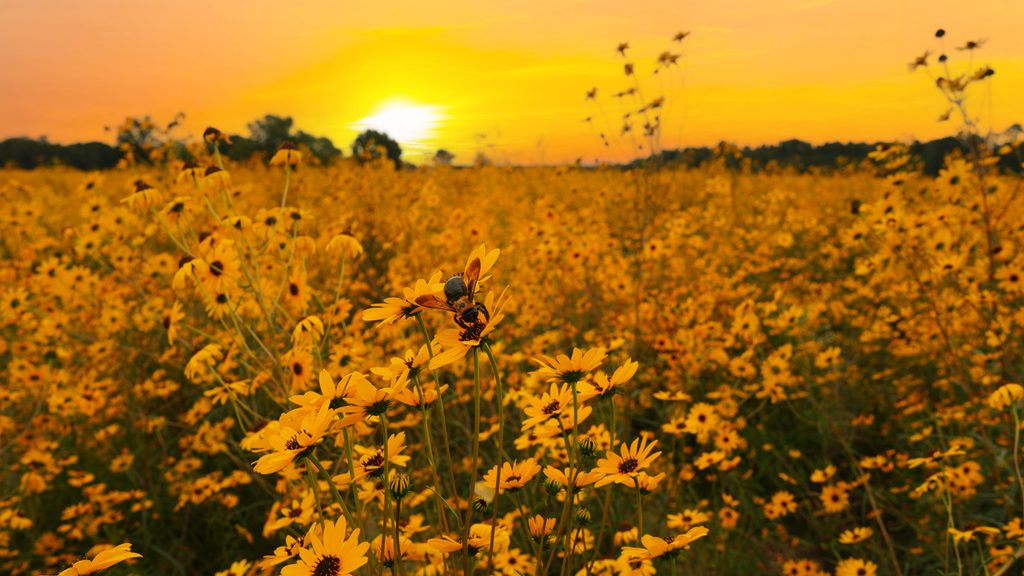
Rose Dairy Farm, which sits at the top of the Lowgrounds near Interstate 95, was at risk of being purchased for industrial development before a campaign donation of $300,000 helped TLC quickly put the land under contract. A local family foundation then made a $3 million no-interest bridge loan so TLC could purchase the property in 2024. TLC has paid back the loan with funding from the state and county and in May, transferred the property to Johnston County for its first nature preserve, which will open later in 2026.
In addition to protecting a significant portion of the Neuse River floodplain and surrounding wetlands, the property also reflects Johnston County's deep agricultural heritage: more than 50 acres remain in farming use by Garrett Wildflower Seed Farm, pictured above.
While the future nature preserve is not yet open to the public, plans include walking trails, new fishing access, and future paddle access to Black Creek and the Neuse River. Eventually Rose Dairy Farm will also be home to the Mountains-to-Sea Trail, North Carolina's statewide trail system stretching from the Great Smoky Mountains to the Outer Banks.
Neuse Islands Wilderness: 802 Acres of Untouched Bottomland
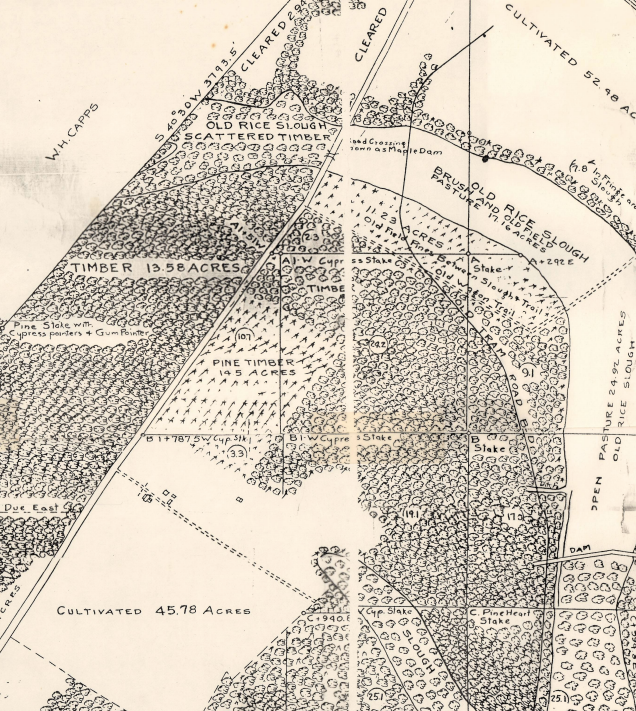
In June 2026, TLC purchased the Neuse Islands Wilderness in the second-largest single land acquisition in the organization's history — the largest being nearby Brogden Bottomlands, another 1,110 acres also in the Lowgrounds that TLC transferred to the State of North Carolina in 2023.
The property gets its name from pockets of higher ground that remain above floodwaters, creating "islands" within the forest. It contains mature bottomland hardwood forests, wetlands, oxbow lakes, vernal pools, and extensive stands of native rivercane. Among the trees are cherrybark oak, overcup oak, swamp chestnut oak, cypress, and red maple. Many are more than 200 years old.
The land also has cultural and historical significance. It contains a historic Black cemetery, Indigenous American archaeological deposits, and evidence of rice cultivation more than 200 years ago — an unusual find in this part of North Carolina. TLC worked with the Johnston County Heritage Center and a local archaeological group to conduct a preliminary assessment of the sites and plans to continue that research.
Johnston County contributed $1.06 million toward the $4.6 million acquisition, helping secure the permanent protection of this remarkable natural landscape. In addition to Johnston County, funding for the project came from the N.C. Land and Water Fund, TLC donors, and the U.S. Air Force through a program focused on improving flood mitigation upstream of Seymour Johnson Air Force Base in Goldsboro.
Gar Gut Mashes: 602 Acres of Wetlands and Forests
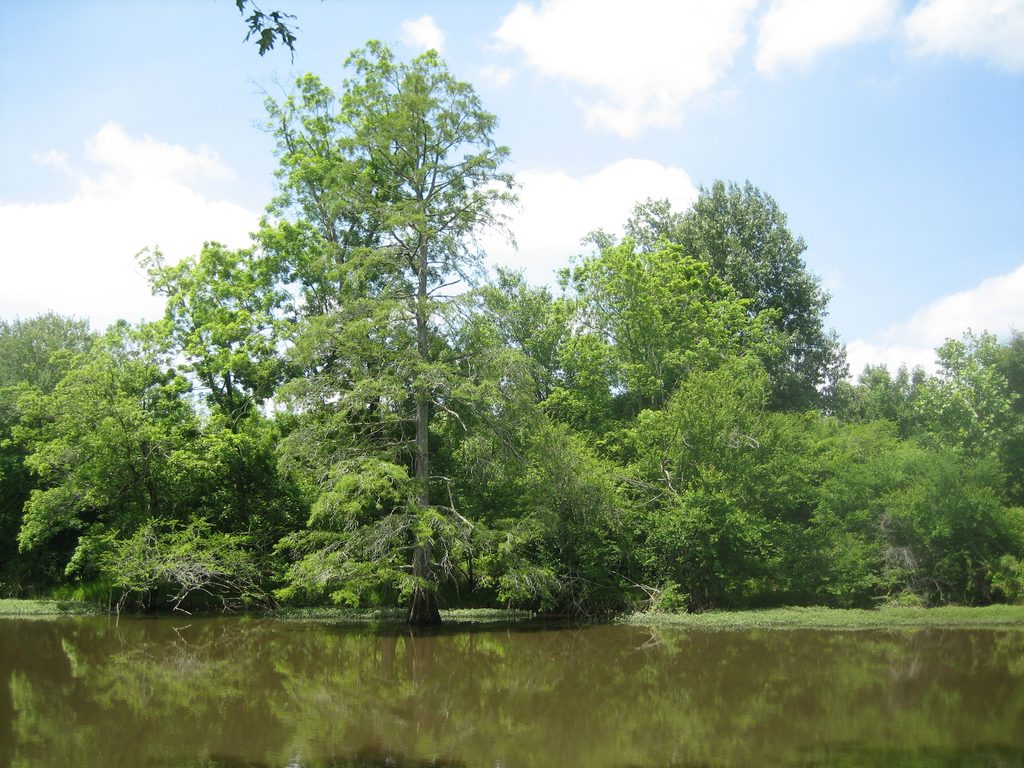
Most recently, TLC protected 602 acres known as the Gar Gut Mashes in late July 2026. The property encompasses more than two miles of frontage along the Neuse River as well as shoreline on two oxbow lakes. It has notable stands of bald cypress remaining along the oxbows and protects more than 400 acres of wetlands. Approximately 500 acres fall within the exceptionally ranked Neuse River Lowgrounds Natural Heritage Area.
The forests and floodplains support mammals such as white-tailed deer and black bears, reptiles, amphibians, and a wide variety of bird species, including wild turkey. This stretch of the Neuse River has been recognized as an Important Bird Area by the National Audubon Society. The area is known to support the Swainson's warbler, which is designated as Significantly Rare by the state.
TLC purchased the property with funding from the N.C. Land and Water Fund, Johnston County, and a generous landowner donation.
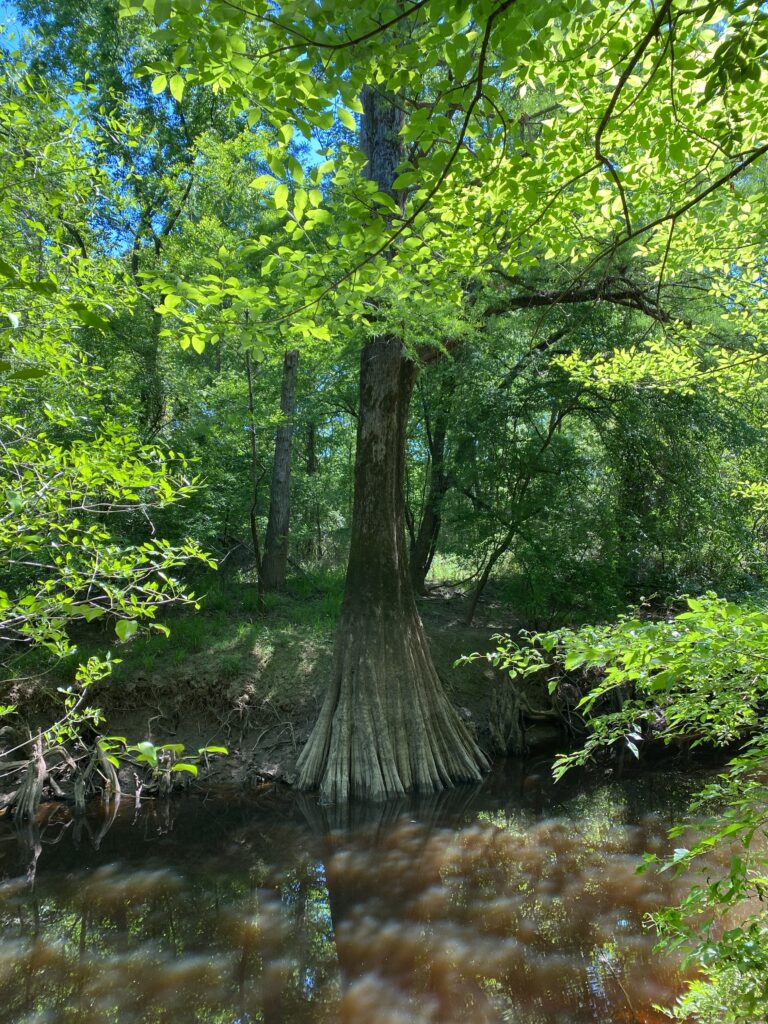
Each of these projects is a conservation success, but together, they represent TLC's growing momentum in safeguarding one of the Triangle's last truly wild landscapes. TLC has an additional 500 acres in the pipeline to protect in the next year and is actively seeking both easement and acquisition projects in the area.
As growth continues to reshape the region, protecting the Neuse Lowgrounds ensures its forests, wetlands, and wildlife will endure for generations to come.
This article was originally published in the Fall 2026 issue of Confluence, TLC's print newsletter. Check out the full issue online here.
