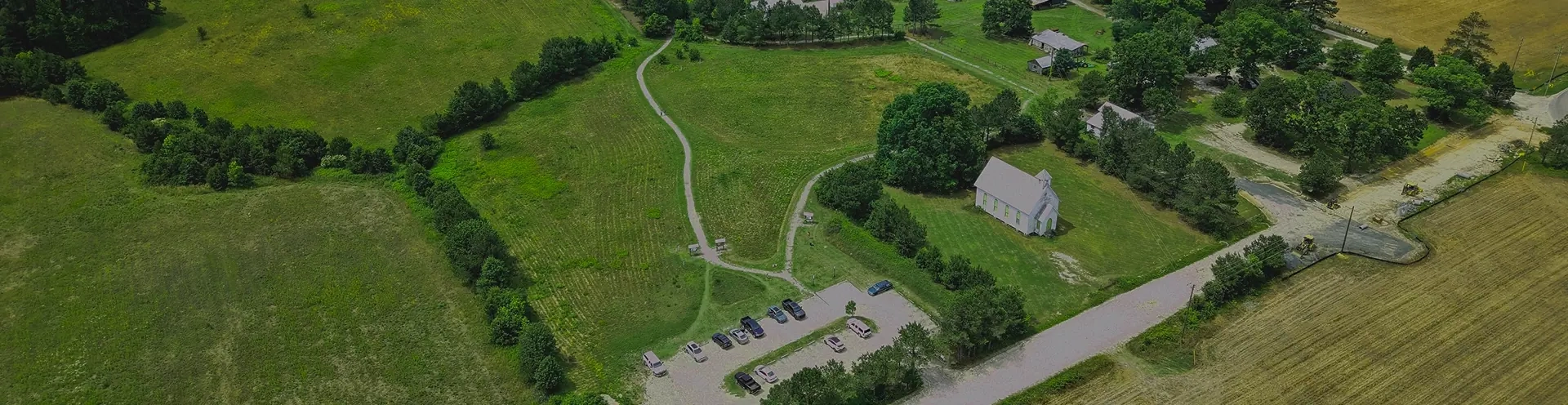
Protecting Your Land Forever
Leave a Natural Legacy by Conserving Your Land.
More than 150 landowners have conserved their property in perpetuity with Triangle Land Conservancy. Each project is unique according to the needs and vision of the landowner and the type of resources the land contains.
Our work is entirely voluntary, and we’re here to guide you in choosing the best approach to permanently protect the natural and cultural values of your land—ensuring it remains a legacy for future generations. Explore the options available to find the path that’s right for you.
Land Purchase or Donation
TLC purchases some properties outright — also called a fee simple purchase. If these properties are sold below market value they may qualify for tax deductions. Once TLC owns the property, we may keep the land private for conservation and habitat management, open it to the public as a nature preserve, or transfer it to another entity for public use. Some landowners choose to donate land outright or through a bequest. The latter allows them to retain full use during their lifetime and can reduce inheritance taxes.
Conservation Easements
These voluntary, binding legal agreements between TLC and landowners permanently protect natural resources by limiting development. Landowners can donate or sell easements, which are often funded through a mix of federal, state, and local sources. Easements reduce the land’s value by removing development rights, which lowers property taxes and makes the land more affordable for future buyers.
Land Transfer or Assist
In some cases, TLC acquires land and transfers it to another entity for long-term management. These transfers help ensure permanent protection while enabling public access, restoration, or other community benefits, all while upholding the land’s conservation purpose through tools like conservation easements or deed restrictions. Many of them are open to the public for outdoor recreation. TLC also can assist landowners if they are interested in working with another entity like a local county or the state to conserve their property.

Why Conserve Your Land?
People choose to conserve their land for many reasons—whether it’s a deep family legacy, vital wildlife habitat, or the presence of clean water and natural resources. But one thing unites them all: a love for the land.
Land trusts like TLC exist to support landowners who want to ensure their property is protected forever. Whether it’s a farm, forest, or open space, conserving private land plays a vital role in tackling some of society’s biggest challenges, from climate change to habitat loss to public health.
Working with a local land trust offers many benefits. Their strong community ties, local knowledge, and trusted relationships make them effective partners in land conservation. As nonprofits, they may provide valuable tax advantages, including potential income, estate, or gift tax savings. Unlike government agencies, land trusts can offer greater flexibility, creativity, and discretion in negotiating and managing land protection efforts.
Photo: Three generations of the Bolton Leight family at the easement closing with TLC’s Associate Director of Land Protection West, Margaret Sands.
Ready to protect your land?
If you are interested in land conservation on your property, contact the TLC Land Protection representative for your county to get connected with our staff.
- For Chatham, Durham, and Orange counties, contact Margaret Sands.
- For Johnston, Lee, and Wake counties, contact Brenna Thompson.
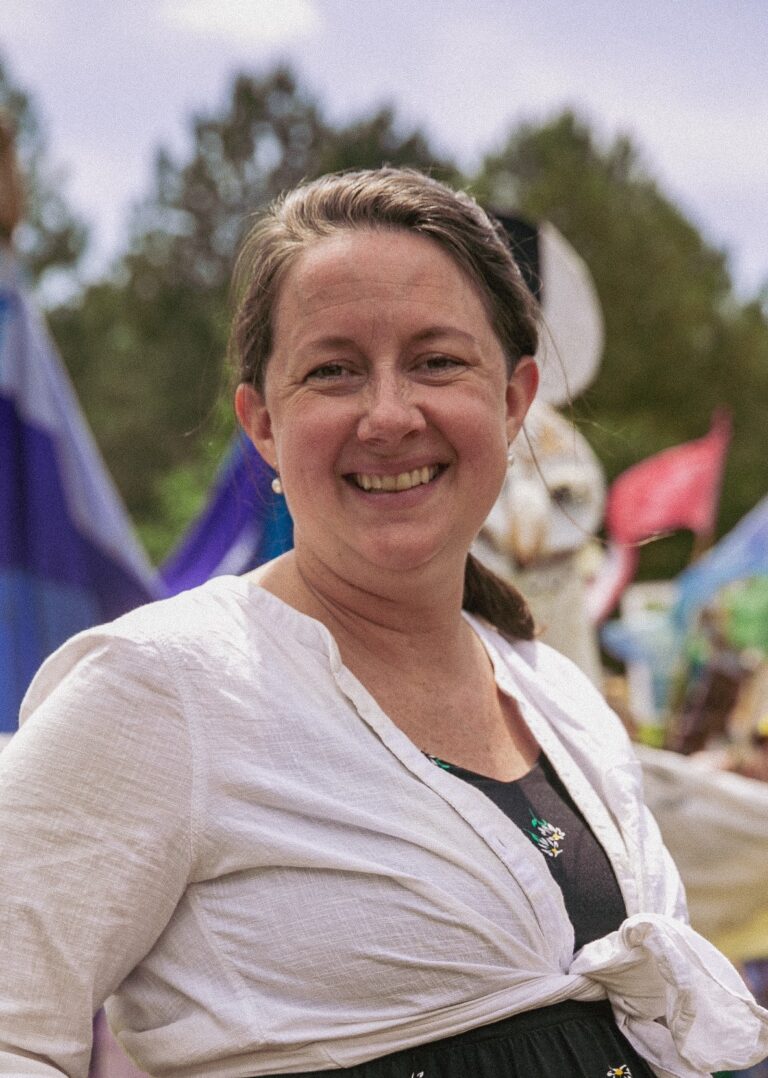
Margaret Sands
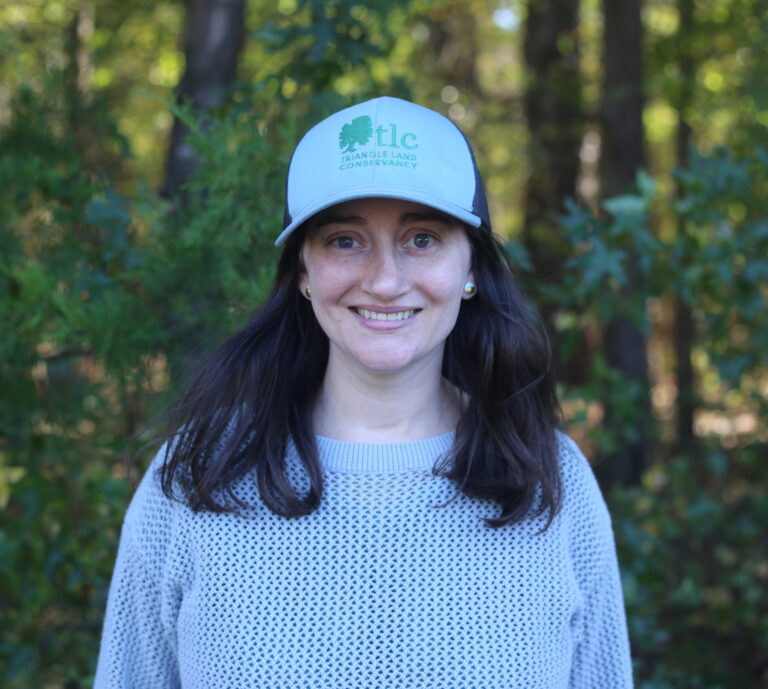
Brenna Thompson
Landowner Resources
Already conserved your property with TLC or recently acquired a property with a conservation easement? Thank you! You make our work possible. With your support, we are keeping thousands of acres in our area as open space in perpetuity. As the Triangle region continues to grow exponentially, it is critical that we sustain our conservation efforts to maintain the vibrant natural beauty of North Carolina.
As a conservation easement landowner, you will work directly with our natural resources staff. The Natural Resources team is available to help you understand your easement, evaluate whether land uses you are contemplating are acceptable under the easement terms and identify silvicultural, agricultural, and ecological resources on the property. We consider a conservation easement to be a partnership and opportunity to work together with landowners to protect the special conservation features of the property. We hope you will contact our Natural Resources team if you have questions about your easement and how it relates to the management of your land.
Easement Monitoring
TLC is obligated to monitor all of our conservation easement properties annually. A routine monitoring visit is a great way for you to connect with the TLC staff responsible for stewarding the conservation easement on your property.
Although TLC is obligated to monitor conservation easements annually, this doesn’t mean that your property requires an in-person each year. TLC uses satellite imagery to cover some of our monitoring duties. Staff review the imagery by comparing it to previous year’s imagery and will schedule an in-person visit if needed. Otherwise, TLC staff and a dedicated team of easement monitoring volunteers may visit your property every 2-3 years.
Frequently Asked Questions
Will TLC take care of management activities on my property?
Land under conservation easement is still owned by the landowner. Any type of management activity is the responsibility of the landowner.
Can I amend my conservation easement?
Amending a conservation easement requires approval by TLC staff and board, and the landowner is required to cover the expenses of staff time and legal costs. Amendments must improve the conservation values of the property and cannot result in private inurement (an economic benefit to the landowner). For these reasons, TLC has rarely amended conservation easements.
How long do TLC’s conservation easements last?
TLC holds conservation easements in perpetuity — forever. The conservation easement stands through property sales, transfers, or donations.
What happens during a monitoring visit?
A routine monitoring visit is a great way for you to get to know the easement stewardship team at TLC, and for them to become more familiar with your property and your management goals. You will be contacted prior to any visit, in hopes of scheduling a time to meet with you personally. If you are unavailable, or cannot be reached, a TLC representative will visit your property alone and will follow up with you by phone, email, or letter if there are issues found during the visit.
Depending on your interests and availability, you may meet with your TLC representative before a visit and then join them for the entirety of the visit (or part ways and the TLC staff member will continue the visit on their own). They will most likely plan to walk a mix of interior trails, high activity areas, boundaries, or any areas where there have been previous concerns.
Many landowners have questions about particular areas on their property. If you would like TLC staff to visit any specific area (i.e., difficult boundary, interesting wildlife activity, trail condition, etc.), please feel free to ask before or during a visit.
Will TLC maintain my property boundary?
TLC does not maintain conservation easement property boundaries.
If your easement is older and the boundary is no longer visible, you can hire a surveyor to officially re-mark the boundaries. You are also able to refresh the property boundary yourself on trees previously marked. Do not blaze or paint trees which have not been marked by a surveyor.
TLC can refresh TLC easement signs where signs of surveyor markings are still visible. Please note that the landowner is responsible for the cost of the signs and covering staff time. TLC will do this during the regular monitoring visit.
Who do I contact with a question about the conservation easement on my property?
TLC’s Natural Resources team covers conservation easements across all six counties of our service region: Chatham, Durham, Johnston, Lee, Orange, and Wake counties.
Remember to contact TLC about your conservation easement if:
- You wish to exercise a reserved right on your property, such as cut/harvest vegetation/trees, construction of structures (house, sheds, fences), build trails, and any other changes to the property that may affect the terms of the conservation easement.
- You have questions about permitted and not-permitted activities.
- You wish to sell or transfer ownership of your property.
- You wish to receive a site visit from TLC staff to discuss your conservation easement.
Friendly Faces
Our stewardship staff and volunteers monitor TLC’s eased properties at least once a year. When we monitor the land, we walk through the property making sure the landowner is complying with the terms of the conservation easement. This involves walking the boundaries to make sure nothing is encroaching on the property and checking interior areas around housing and farming infrastructure. Our staff and volunteers always notify landowners in advance when they are planning to visit the property.
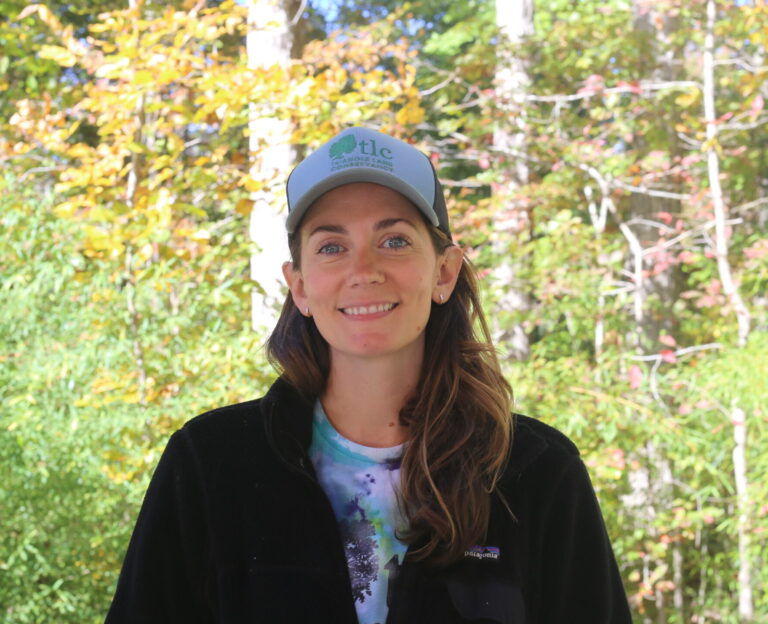
Hannah Royal