
By Caroline Durham Many landowners are familiar with the growing number of unwelcome guests taking…
The North Carolina Native Plant Society has identified more than 100 invasive, non-native plants in the state. Whether you’re walking through nearby woods, open fields, or even your own backyard, you’re likely to encounter invasive species. Plants like multiflora rose, tree of heaven, and privet are widespread across North Carolina and much of the Eastern U.S., having been introduced as far back as the 1700s. Without their natural predators or competitors, these non-native species spread quickly. When invasives become so well established, the idea of stopping them can seem paralyzing.
Steven Feuerstein, a retired software developer, decided one day that enough was enough. While walking through a garden in Chicago, he was struck by the overwhelming presence of European buckthorn—one of the most destructive invasive species in Illinois and across much of the Midwest. Something clicked, and he knew he had to act. For more than a decade since then, Feuerstein has dedicated much of his spare time to volunteering in community parks and natural areas, with a focus on removing invasive plants.

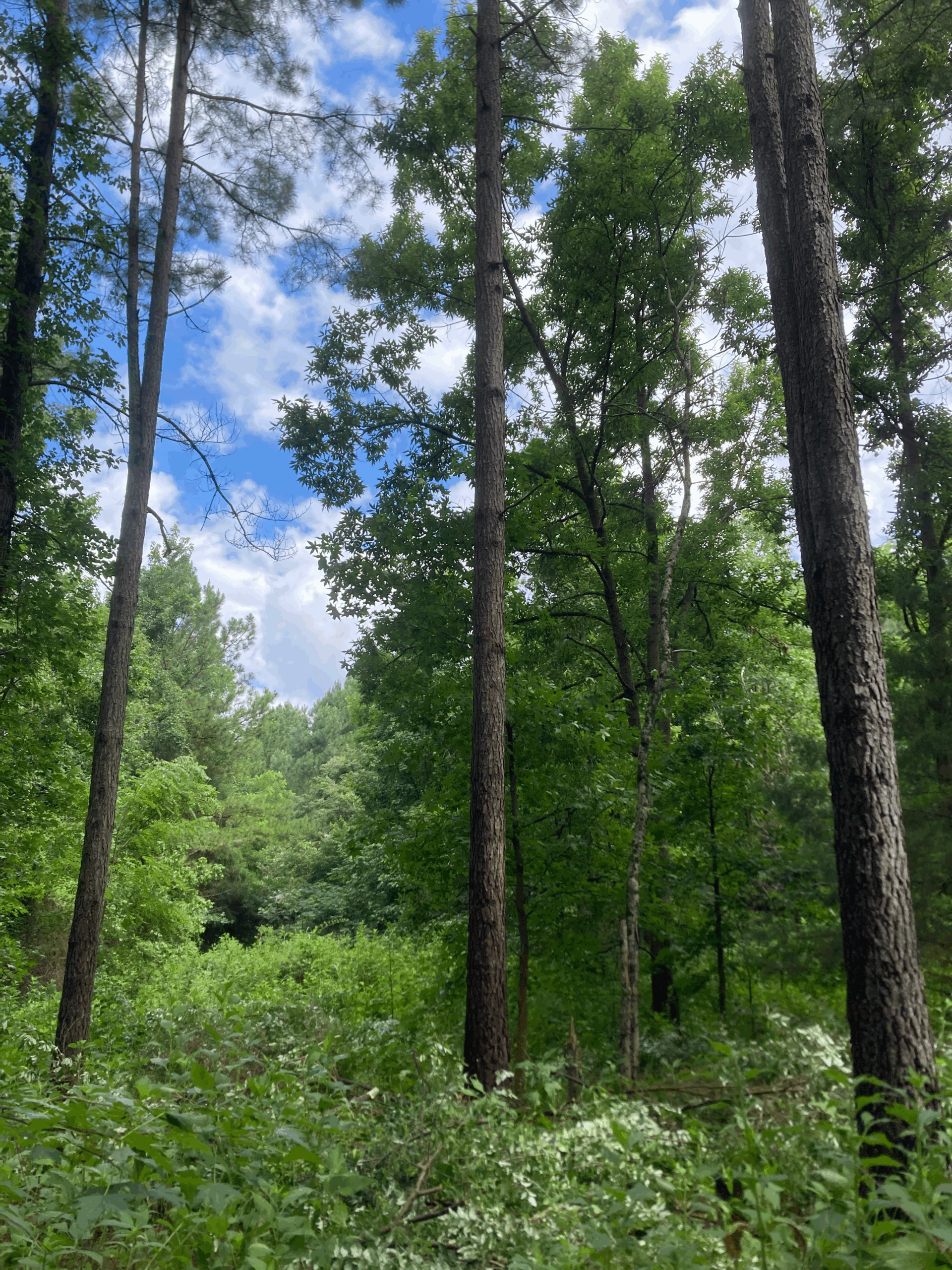
After moving to Chapel Hill, North Carolina, Feuerstein found himself at TLC’s Brumley Nature Preserve where he noticed the abundance of invasive Chinese privet (Ligustrum sinese) and autumn olive (Elaegnus umbellata). He reached out to TLC Staff and offered his help.
“I have fixated on removing invasive plants as the way I can have the most impact,” Feuerstein shared. “People with no training, no depth of experience on plants can have an enormously positive impact on their native ecosystems.”
At first, he worked alone, heading out whenever he could. Starting with Chinese privet, he worked his way along the Walnut Grove Loop at Brumley. Then came the idea—what if this could become a regular, monthly event? That idea developed into TriWild: TLC’s volunteer-driven ecosystem restoration program.
“I can remember our first TriWild,” he reminisced. “It was really great having that many people who were so excited to be part of something new.”
Now, nearly three years later, TriWild meets at least once a week at a TLC preserve, bringing together passionate volunteers for a productive workday.
Feuerstein acknowledges that invasive species can feel overwhelming, but he emphasizes that saving even a single mature tree makes a difference. Each tree provides shelter for countless animals, serves as a corridor for wildlife, and helps absorb carbon dioxide from the air. By removing invasives, native flora are given a stronger chance to survive.
Beyond offering steady support in the fight against invasive plants, TriWild strives to give volunteers a sense of purpose and accomplishment. With every cut made and every invasive pulled, participants walk away knowing they’ve contributed to the health of our local ecosystem.
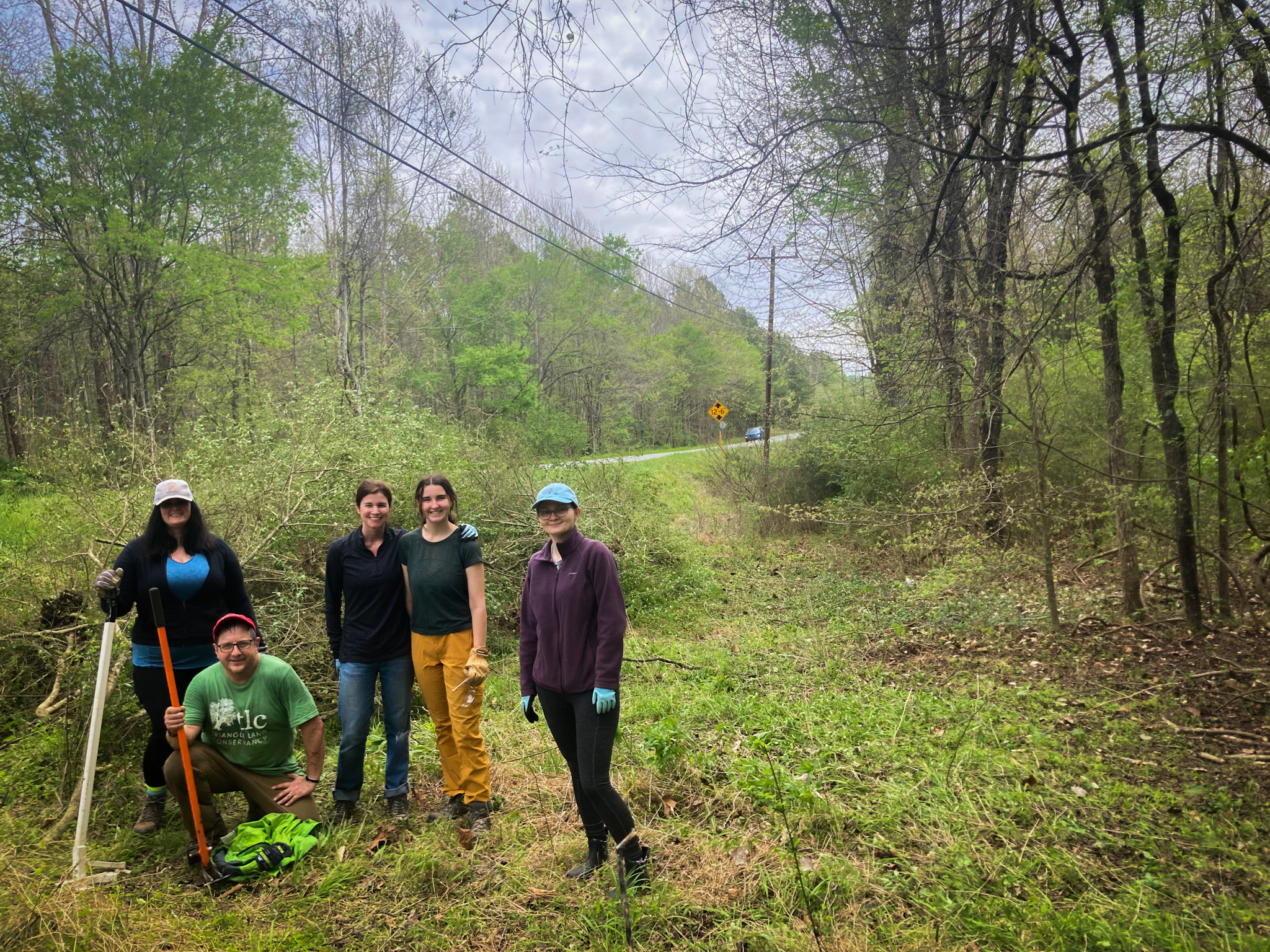
“TriWild is a great demonstration of how volunteers can make a difference,” he began. “Volunteering can have an enormous impact on not only the world around you, but also on you. Get outdoors, make a difference, see the change, and find your life saturated with purpose.”
Looking ahead, Feuerstein envisions expanding the program. The main goal of invasive removal is to stop new invasive seed production, since without stopping the seeds, the cycle never ends. But he wants to go further, focusing not only on removal but also on planting native species in those same areas. His new project, called Adopt a Rewilding Oasis, will allow volunteers to “adopt” a section of land, caring for it on their own schedule by maintaining native plantings and continuing invasive removal.
Whether brought over as erosion control, ornamental plants, to attract wildlife, or even by accident, the presence of these plants were initiated by people. The resulting effects can be detrimental to native habitats and the species that call them home. And while humans may have caused these issues, it’s also humans who can fix them.
You can help be a part of the solution by making an account on TLC’s VolunteerHub, and signing up for the next available TriWild shift at Brumley or Williamson Preserve.
