
On Wednesday, March 25, we hosted our very first Conservation Conversations! Eliza Lawdley, TLC's farm…
Since 1983, Triangle Land Conservancy (TLC) has protected over 26,000 acres of land in the Triangle. About 42% of that protected acreage is safeguarded through conservation easements.
A conservation easement is a voluntary legal agreement between a landowner and a land trust or government agency that permanently limits uses of the land in order to protect its conservation values. TLC holds conservation easements in perpetuity.
“Perpetuity is basically a forever thing,” explains Chris Leonard, TLC’s Stewardship Associate. “The goal is that, as properties change hands, that these easements stay as green as possible. That's really the goal — to keep development pressure away.”
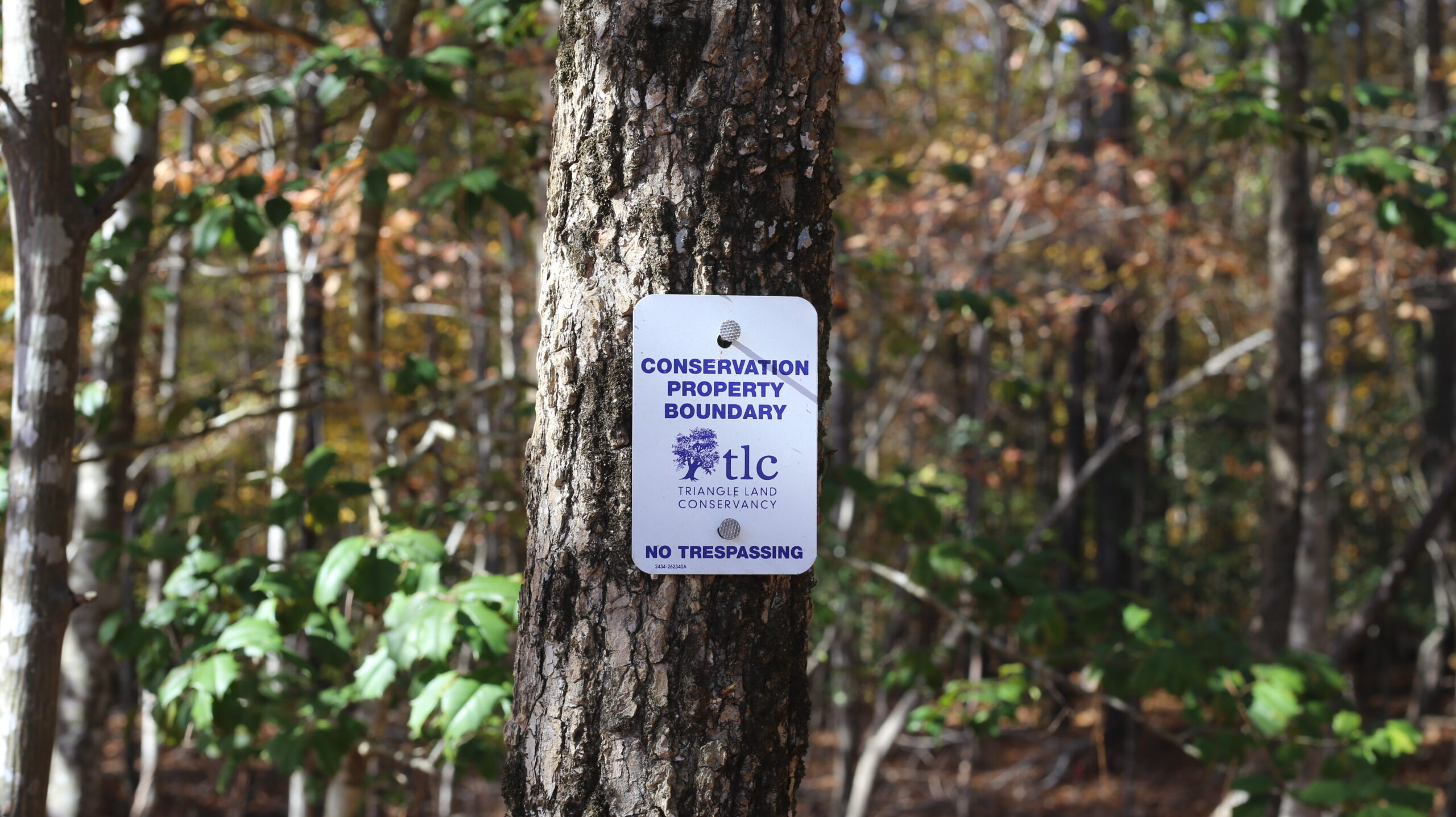
As part of his role, Chris helps monitor around 200 eased properties at least once a year. During these monitoring visits, TLC staff will walk through the property making sure the landowner is complying with the terms of the conservation easement. This involves walking the boundaries to make sure nothing is encroaching on the property and checking interior areas around housing and farming infrastructure.
Landowners can donate or sell easements, often funded through a mix of federal, state, and local sources. Easements reduce the land’s value by removing development rights, which can lower property taxes and make the land more affordable for future buyers.
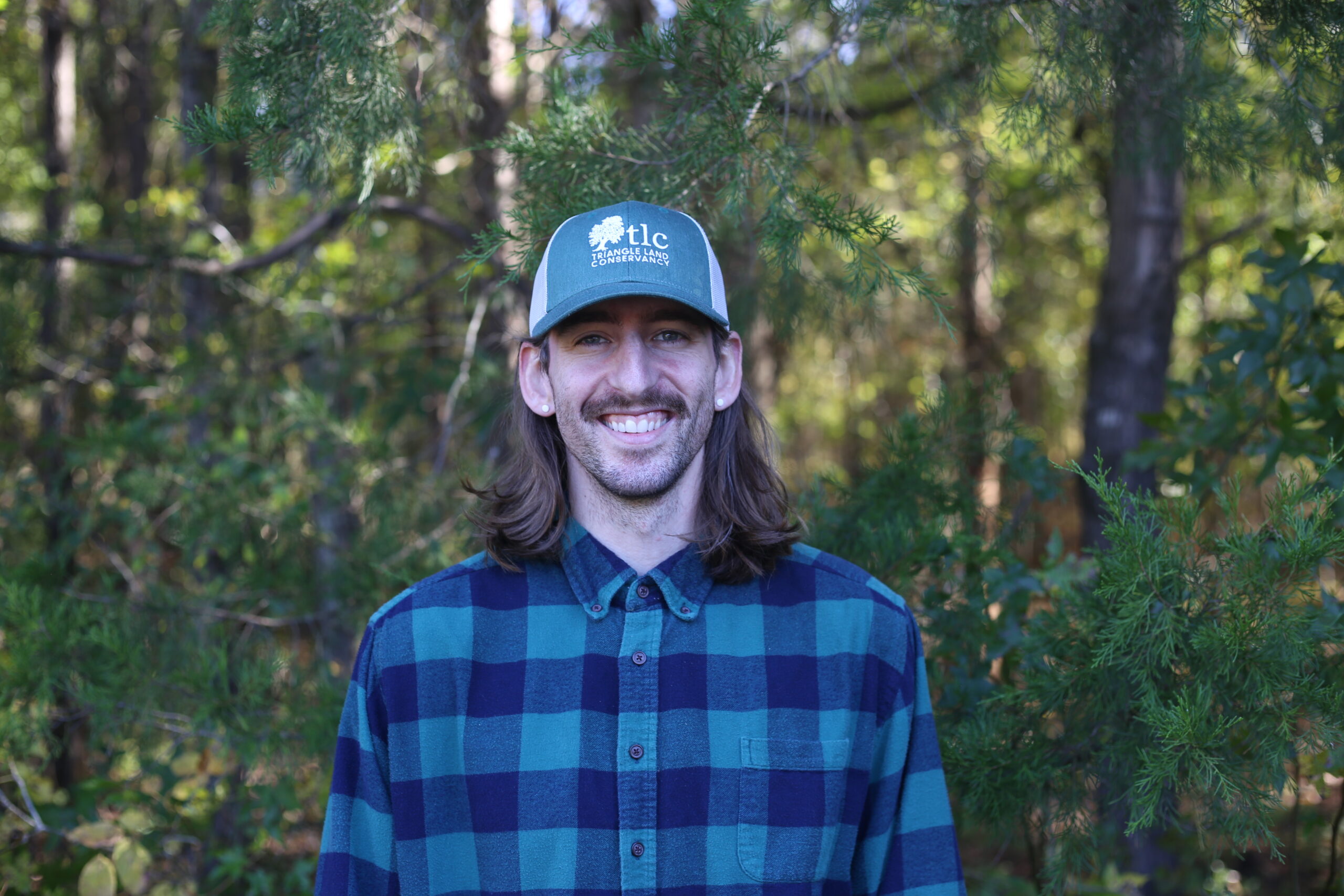
“You can tell it feeds the individual landowner’s soul,” Chris says with a smile. “These easements are written to last forever, so it really gives landowners the opportunity to feel like they're leaving a piece of their legacy.”
Landowners retain many of their rights, including the right to own and use the land, sell it and pass it on to their heirs. Placing a conservation easement on a property does not make it public land.
All conservation easements must provide public benefits, such as water quality, farm and ranch land preservation, scenic views, wildlife habitat, outdoor recreation, education, and historic preservation. You can use an easement to protect your whole property or just a portion of it.
Those interested in placing a conservation easement on their property work hand in hand with TLC’s Land Protection department. Together, the easement is drafted to fit the goals of the landowner along with broader conservation objectives.
“Legacy is important for me too,” Chris shares. “I unfortunately don't have a big property to donate or put under easement, but it's nice to know that I had a hand in conservation that is going to last longer than I'm even going to be on this earth.”
For more information on conservation easements visit https://triangleland.org/learn/land-conservation-options
