
September 11th, a National Day of Remembrance and Service, a day to remember those who…
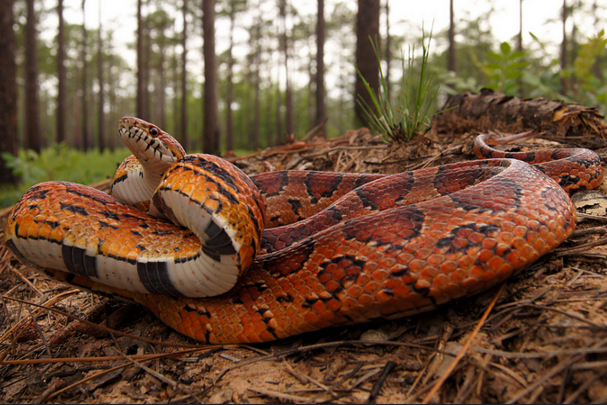
Figure 1: Corn snake, Photo credit www.herpsofnc.org
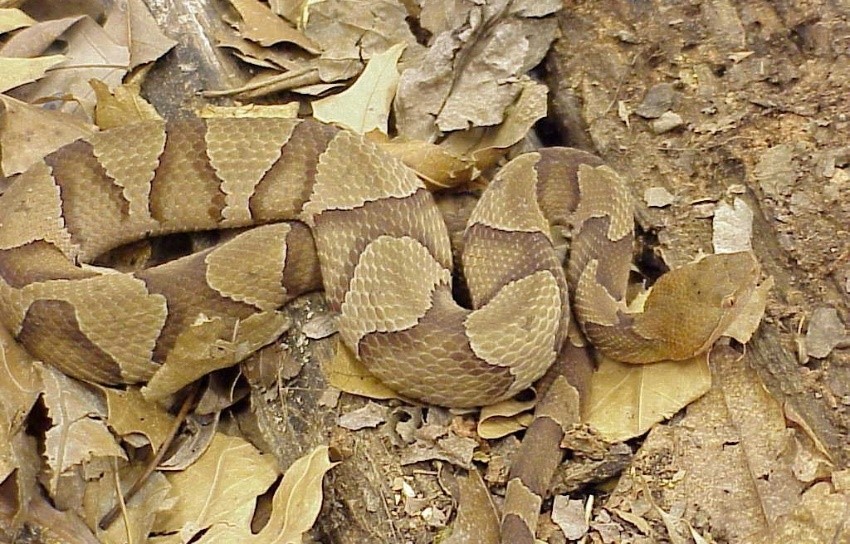
Figure 2: Copperhead. Photo Credit www.ncherps.org

Figure 3: Rat snake. Photo Credit Chesapeake Bay Program

Figure 4: Racer, Photo credit www.ncherps.org
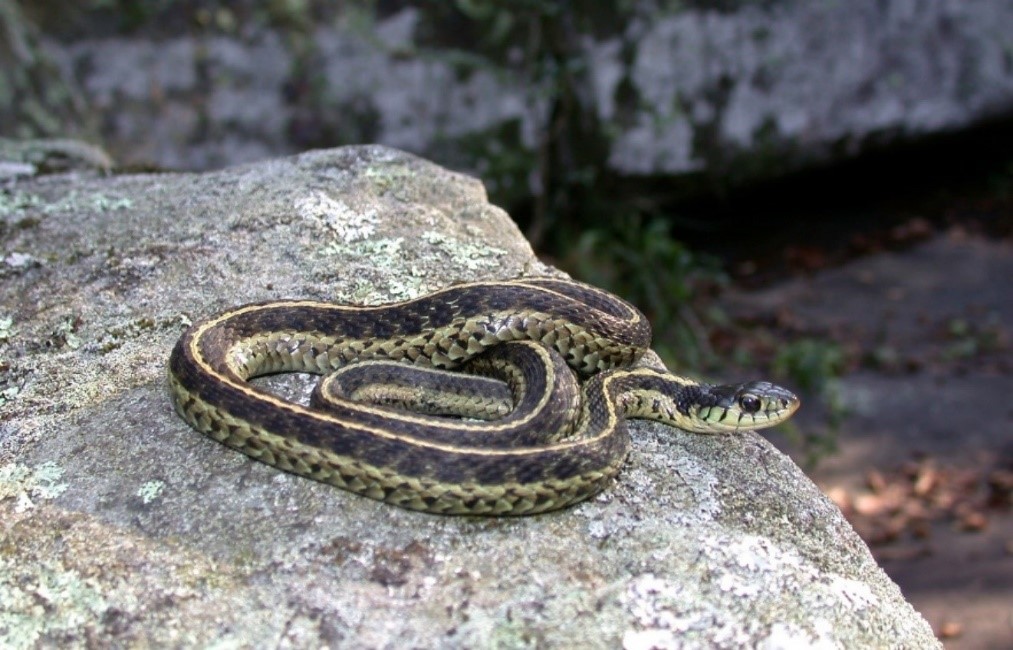 If you’ve spent time around freshwater, aquatic areas in North Carolina, chances are you’ve encountered snakes in/around the water and/or someone told you to watch out for water moccasins. “Watch out! They will charge you in the water!” I grew up going to a lake in Western North Carolina and was constantly warned by my aunt to watch out for cottonmouths. It wasn’t until I was well into my 20s that I learned they were nowhere near present in that area. We had been seeing the non-venomous and harmless, Northern watersnake!
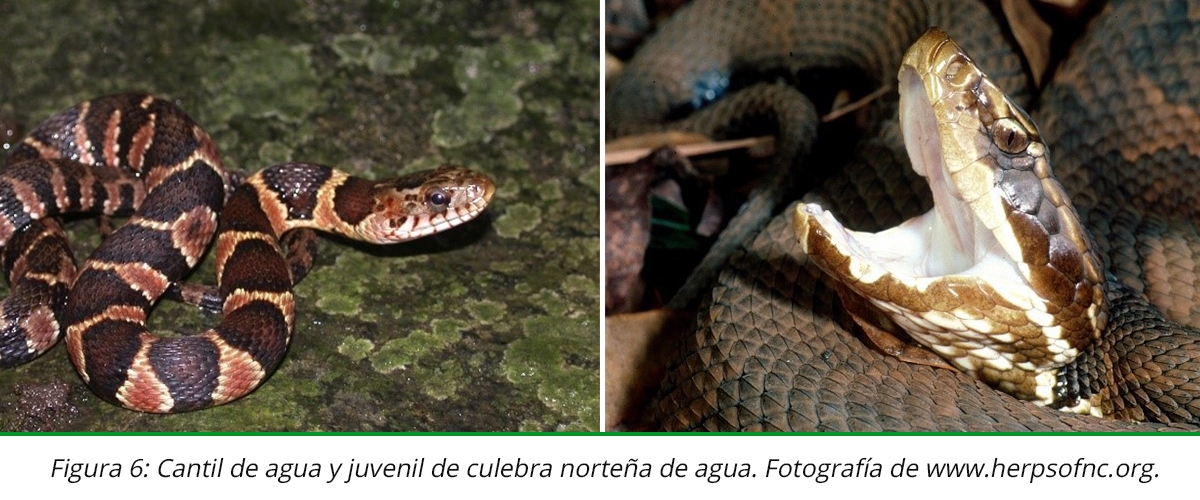 If you live in or visit the Coastal Plain of NC, cottonmouths are present. They inhabit swamps, canals, pond edges, and slow-flowing streams and rivers. They are venomous and have very toxic venom; however, many myths are associated with their behavior towards humans. I am not going to get into those myths here, but I encourage you to watch this entertaining video about common cottonmouth misconceptions. If you are in the Triangle Region, minus Eastern Wake County, and you see a snake in or at the water, you can assume you are seeing a non-venomous watersnake species (red-bellied watersnake, Northern watersnake, or queen snake). Even in the Coastal Plain, there are several non-venomous snake species besides the cottonmouth associated with aquatic environments. It is worth mentioning that ALL snakes can swim and will do so if that is the best option to escape a threat.
I hope that this article has left you and your feelings towards snakes in a better place with each other, whether you started at pure hatred or admiration. Nature has plenty of wonders to offer, including creepies and crawlies. A little tolerance and respect go a long way for snakes and will help keep them and their habitats thriving in the future. The work of Triangle Land Conservancy and other like-minded organizations is made possible through the support of people like you!
Triangle Land Conservancy’s diverse nature preserves provide ample opportunity to spot various snake species! If you come across wildlife at our preserves, help us document species present through iNaturalist, eBird, or HerpMapper. These nature-based apps are great sources to help identify wildlife or plant species for you.
If you want to learn more about snakes in North Carolina, visit the Herps of NC website mentioned throughout this article.
If you live in or visit the Coastal Plain of NC, cottonmouths are present. They inhabit swamps, canals, pond edges, and slow-flowing streams and rivers. They are venomous and have very toxic venom; however, many myths are associated with their behavior towards humans. I am not going to get into those myths here, but I encourage you to watch this entertaining video about common cottonmouth misconceptions. If you are in the Triangle Region, minus Eastern Wake County, and you see a snake in or at the water, you can assume you are seeing a non-venomous watersnake species (red-bellied watersnake, Northern watersnake, or queen snake). Even in the Coastal Plain, there are several non-venomous snake species besides the cottonmouth associated with aquatic environments. It is worth mentioning that ALL snakes can swim and will do so if that is the best option to escape a threat.
I hope that this article has left you and your feelings towards snakes in a better place with each other, whether you started at pure hatred or admiration. Nature has plenty of wonders to offer, including creepies and crawlies. A little tolerance and respect go a long way for snakes and will help keep them and their habitats thriving in the future. The work of Triangle Land Conservancy and other like-minded organizations is made possible through the support of people like you!
Triangle Land Conservancy’s diverse nature preserves provide ample opportunity to spot various snake species! If you come across wildlife at our preserves, help us document species present through iNaturalist, eBird, or HerpMapper. These nature-based apps are great sources to help identify wildlife or plant species for you.
If you want to learn more about snakes in North Carolina, visit the Herps of NC website mentioned throughout this article.
Source: Blue Aster Studio
