
By Caroline Durham Many landowners are familiar with the growing number of unwelcome guests taking…
By Patrick Boleman, TLC's Senior Land Manager, East
For millennia, natural and anthropogenic fire has been an essential element of our landscape in the southeastern United States. For over 10,000 years, Indigenous Americans used fire as a land management tool, resulting in fire-dependent ecosystems of which humans were a crucial component. Controlled burns were used to sustain wildlife habitats for hunting, as ecosystem management to encourage wild forage and fiber species, and for vegetation clearing for agriculture. This resulted in a landscape vastly different from the forests we see today.
Prior to European colonization, frequent low intensity burns maintained grasslands, low-density forests, and savannahs, of which only a small percentage of their historic ranges remain today. De-population and forced removal of Indigenous peoples resulted in a reduction in fire, which caused an increase in more fire-intolerant species, forest density, and loss of grassland ecosystems reliant on disturbance. Coupled with increased land conversion and colonization pressures, the Southeast has lost habitats such as longleaf pine forests and piedmont prairies as well as the wildlife which depended on them.
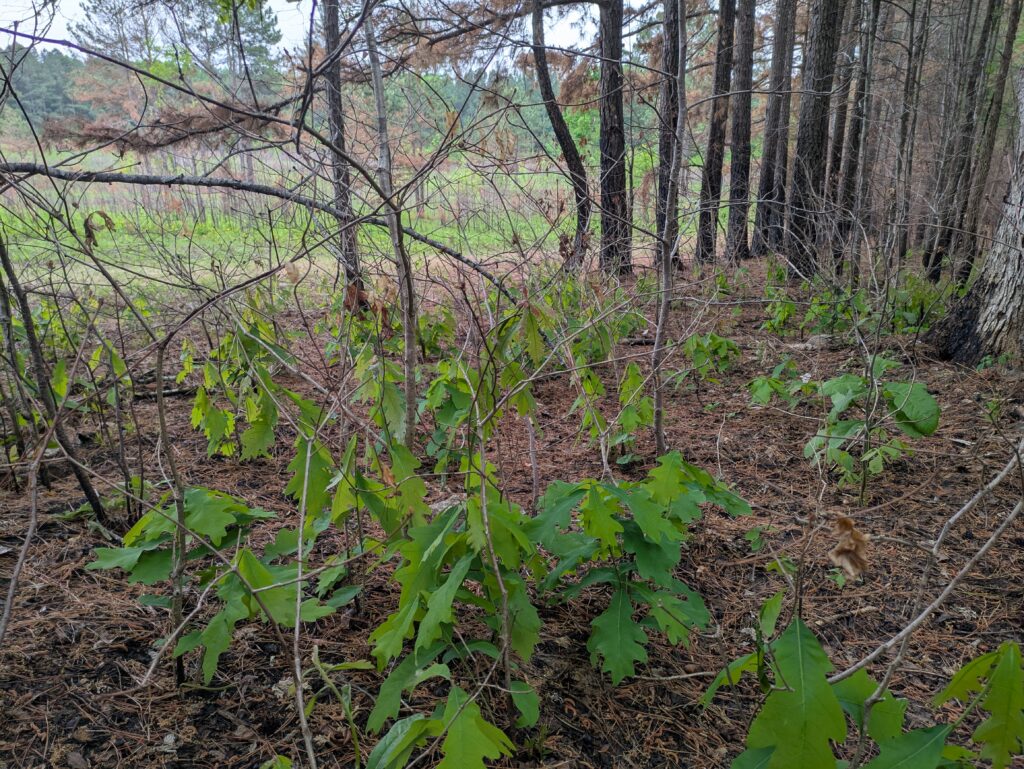
TLC uses controlled burns to maintain healthy wildlife habitat, encourage growth of fire-dependent species, and increase ecosystem diversity throughout our region. For example, many oak species are fire-tolerant and can be out competed by other species if this disturbance is removed. Oak seedlings have an adaptation where they develop resource reserves for the first few years after germination. After a fire has run through the forest understory, oak seedlings resprout vigorously, giving them an edge over the competition. Oak species, such as white oak (Quercus alba), support one of the highest diversity of insect species of our forest trees. This provides a fundamental pillar of the forest food web. Additionally, acorns provide a crucial source of nutrition to wildlife during the harsh winter months when food is scarce. Why do you think squirrels are always burying those acorns?
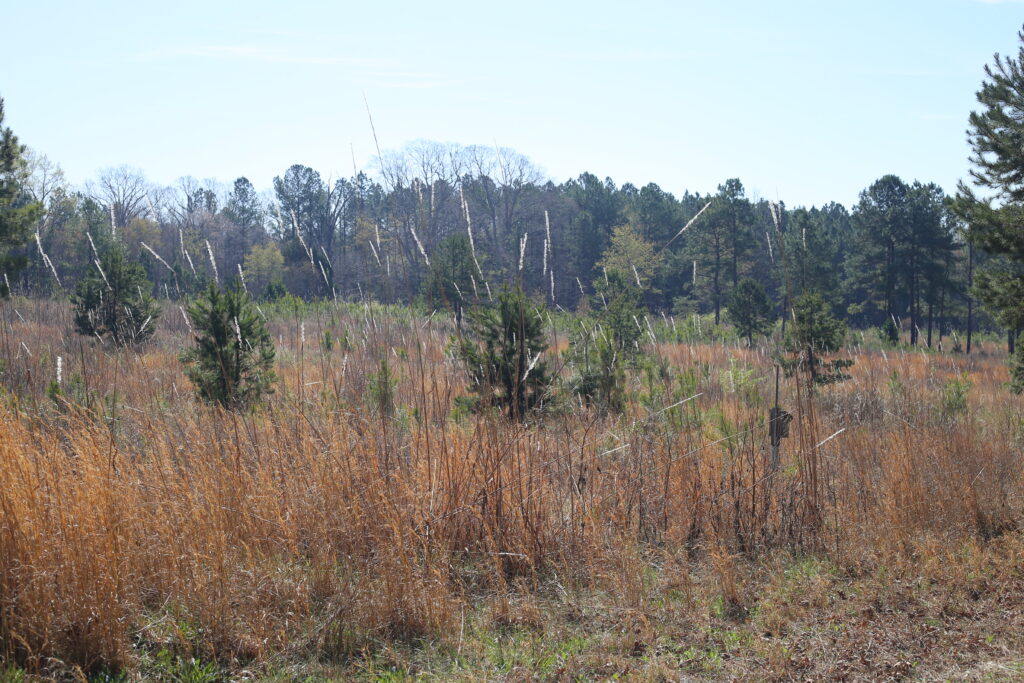
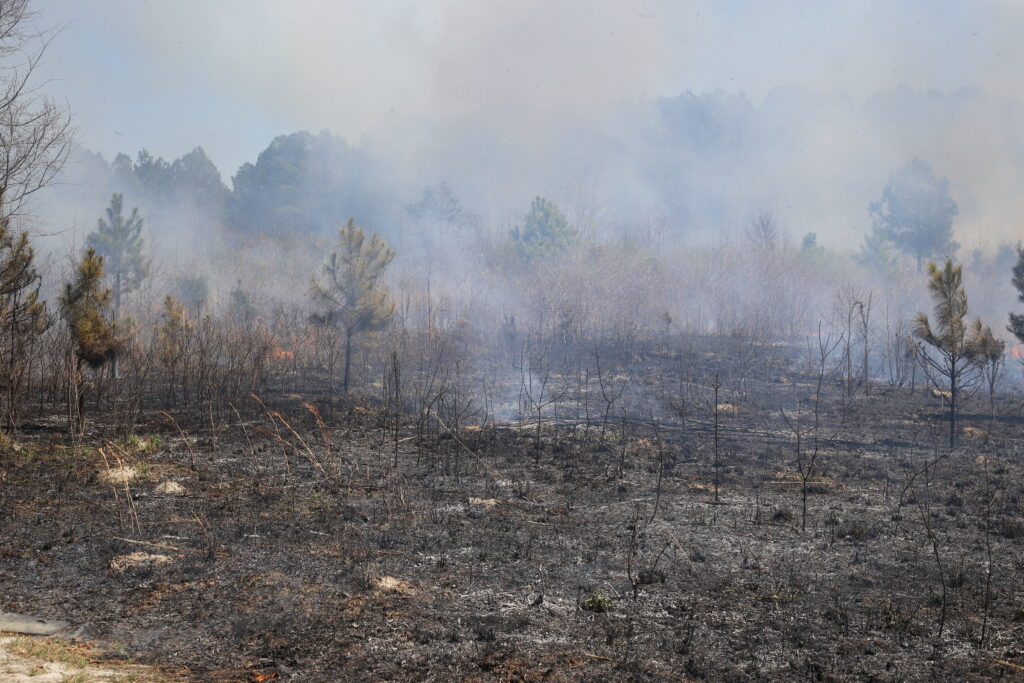
Grasslands are another ecosystem that thrives on disturbance such as fire. Piedmont Prairies were thought to be extensive throughout our region before depopulation of Indigenous Americans and extirpation of large herbivores such as bison. Fire controls woody vegetation from displacing grass and wildflower species and removes accumulated debris to encourage germination of new plants. Grassland birds, such as the iconic Eastern Meadowlark, require grasslands for nesting and foraging while many other species rely on grasslands for the plethora of insect, seed, and flower resources they provide.
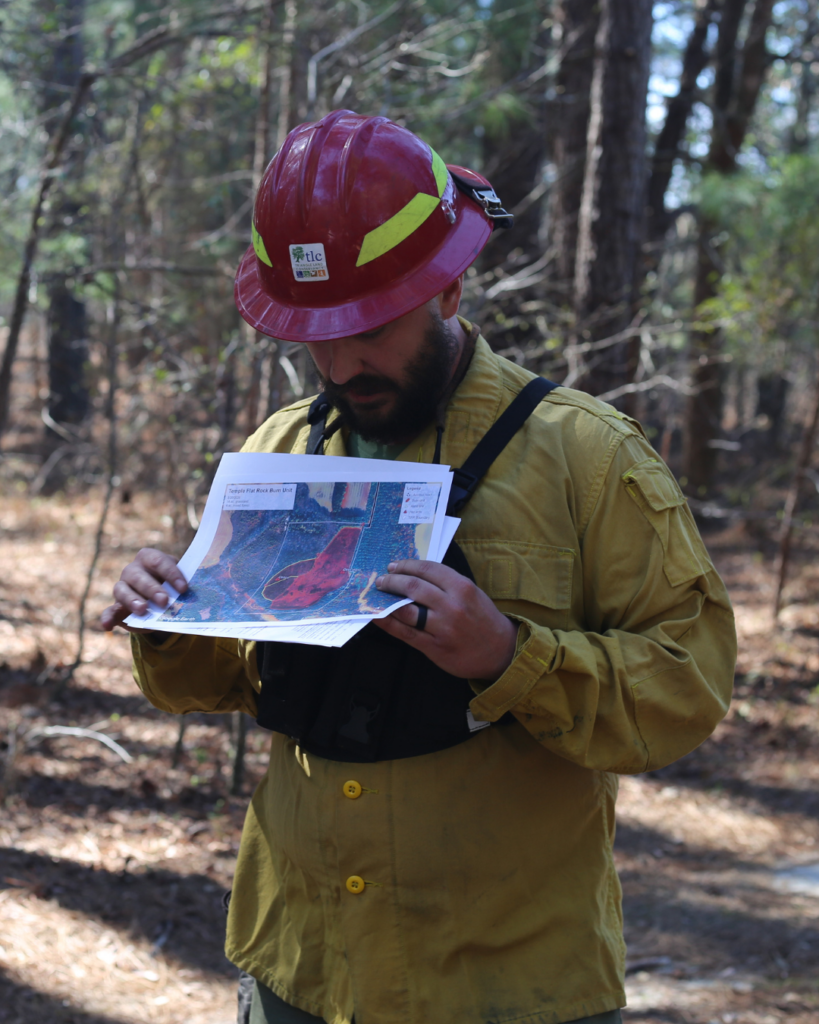
In March of this year, TLC conducted a prescribed burn at our Temple Flat Rock preserve, which is not open to the public to due the sensitive nature of its ecosystems. Close to 20 acres of grassland and forest habitat were carefully burned to maintain open habitat, encourage regrowth of a diversity of grass and wildflower species, and reduce forest understory competition to increase oak regeneration. TLC staff spent time observing plant species and habitat composition to determine when weather conditions would be ideal to meet land management objectives. Conditions such as surface wind direction and speed, atmospheric smoke dispersion (known as ventilation rate), humidity, fuel moisture content, and time of year are just a few factors that go into a burn prescription.
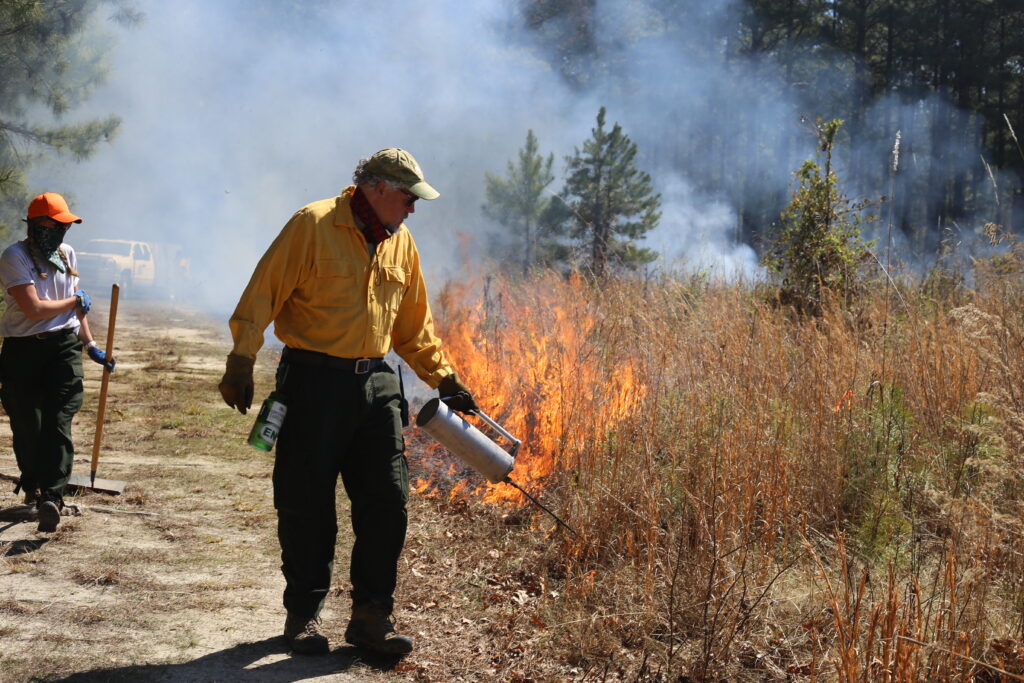
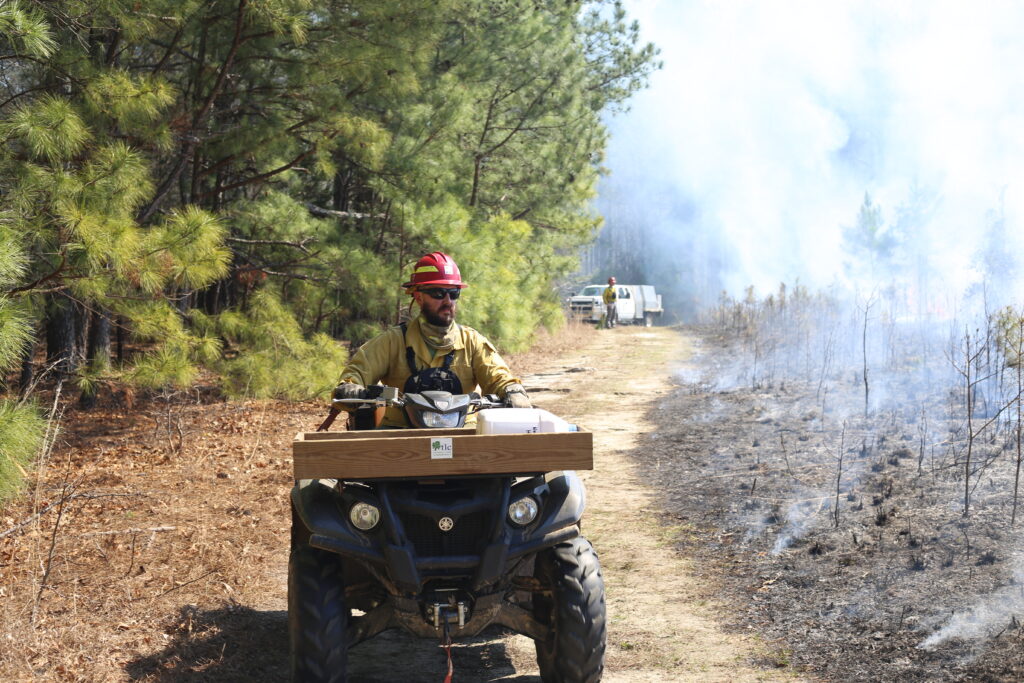
Results of the burn exceeded land managers’ expectations, with the first sighting of white milkweed (Asclepias variegata) seen on the property in years only a month after the burn. This unique milkweed species provides nectar resources for forest pollinators and a host plant for monarch butterflies during their migration across North America. Grass and wildflower species demonstrated vigorous regrowth in the grassland while the forest understory was filled with oak resprouts beginning their journey into the forest canopy.
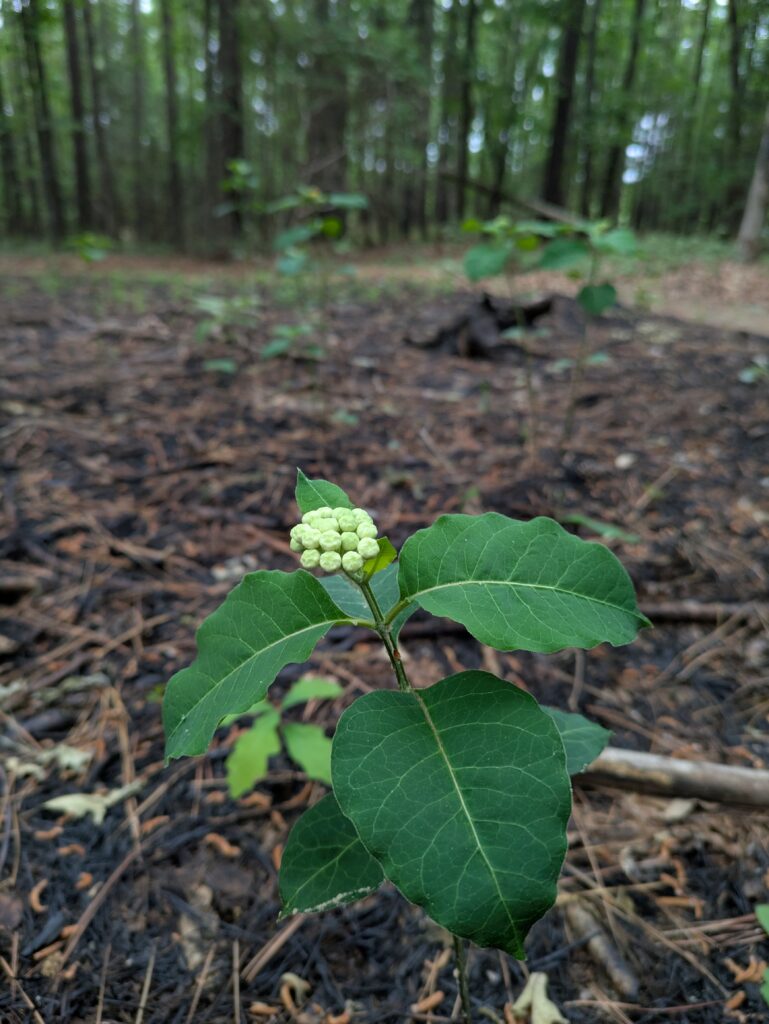
Prescribed fire is an important resource in the land management toolbox which TLC applies judiciously to improve wildlife habitat and ecosystem diversity. Trained staff spend countless hours planning and preparing to ensure burns are conducted with care and forethought. The positive results of successful prescribed burns can be observed immediately during spring green up and the plethora of wildlife species appreciating the fresh vegetation.
