Williamson Farm Program
North Carolina’s relatively mild climate, long growing season, and ample rural areas all contribute to the state’s history as an agricultural powerhouse. But farmers face a multitude of challenges, including extreme weather and the rising cost of land and equipment. Agricultural land in the Triangle region is being lost at an alarming rate: according to the American Farmland Trust, by the year 2040, North Carolina will rank second in the nation for the most farmland lost to development.
Supporting local agriculture at Williamson Preserve
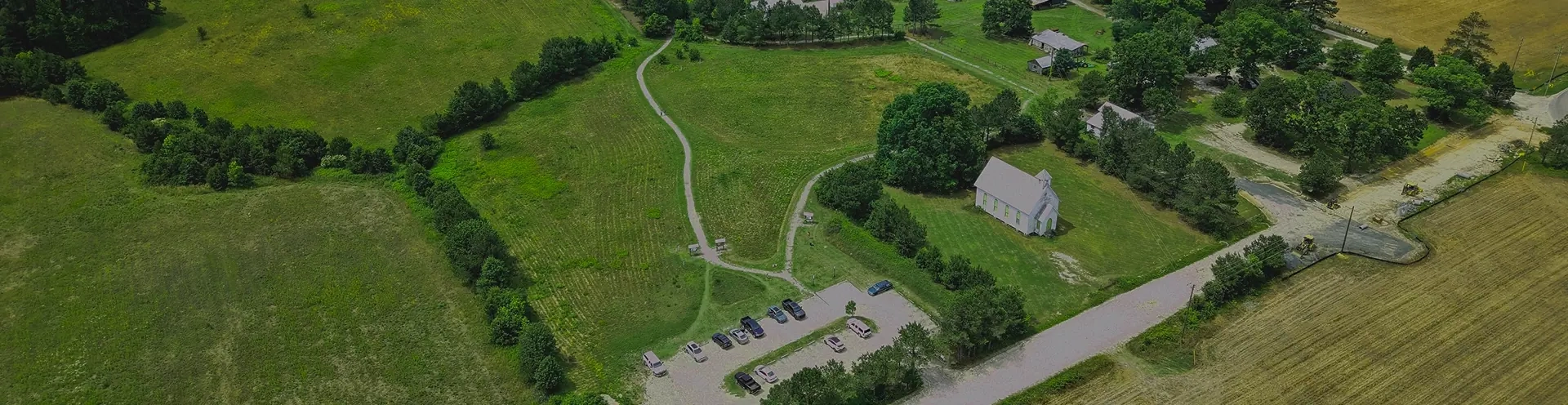
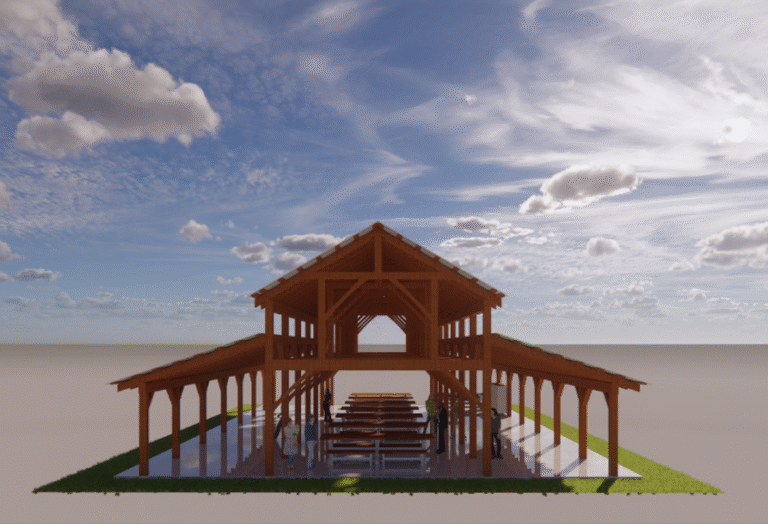
TLC’s innovative Williamson Farm Program is tackling these issues and helping to advance a core part of TLC’s mission: supporting local farms. This program provides beginning farmers with access to farmland at the Bailey and Sarah Williamson Preserve, as well as shared use of equipment and infrastructure including a tractor and the Agriculture Pavilion. Based at the Williamson Preserve in Wake and Johnston counties, the program mitigates barriers to entry for new farmers, allowing them to devote more time to growing their business, supporting the local economy, and providing food to the community.
120 acres at the Williamson Preserve are designated for the program, and five farms are currently operating at the preserve:
- Reclamation FARMacy
- Horn and Wren Teaching Farm
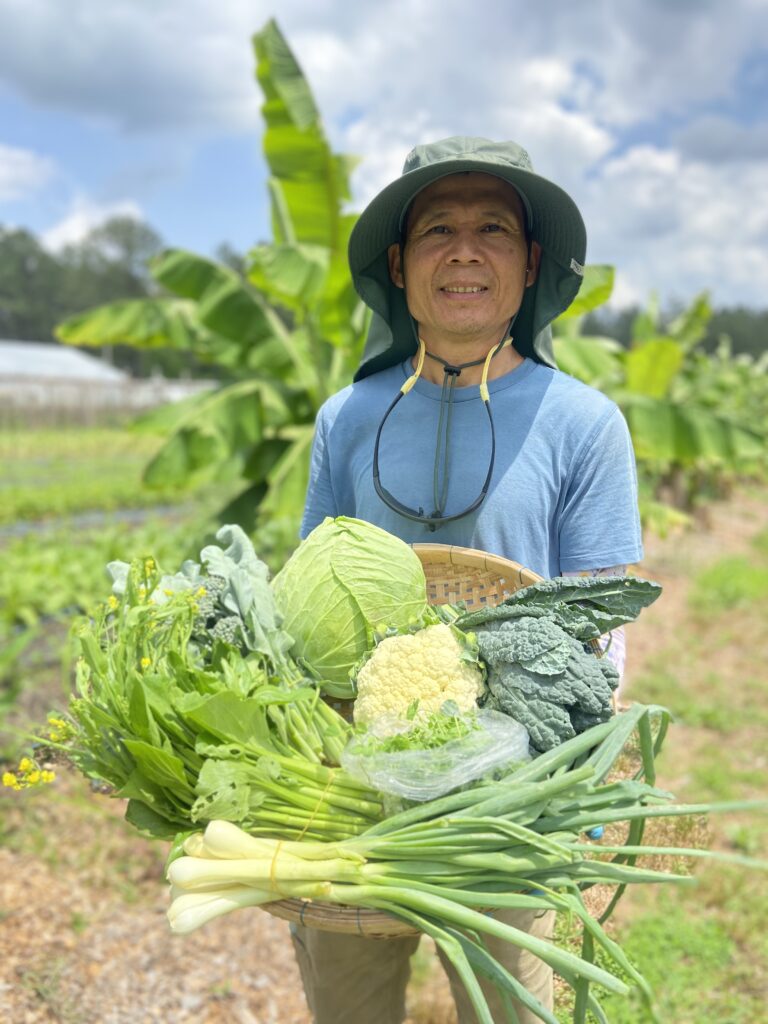
- Karen Community Farm
- Project Pando (the nonprofit arm of Leaf and Limb)
- Farm of Zebulon
- Broadwell Farms
Their operations are varied: the Karen Community Farm provides land and resources for Karen refugees to grow Asian vegetables and flowers, while Project Pando is growing thousands of native tree seedlings and cultivating forests to advance its mission of creating free access to native trees. TLC staff work closely with the farmers on all aspects of their operations, from sharing equipment to providing training on sustainable agriculture practices.
Small Farms Make A Difference
Local farms are the backbone of strong, healthy communities. Since 2010, the Lower Neuse region (which encompasses eastern Wake County) has seen a 36% increase in population and is expected to double this by 2045. With growth on the rise, protecting farmland is key to providing a reliable and resilient food supply.
Food insecurity is already a challenge in our community. In Wake County alone, 12% of residents lack access to enough food, and across North Carolina, 1.5 million people live in federally recognized food deserts. Our state ranks 5th in the nation for food insecurity, with one in four children affected. Local farms and farmers markets help address this gap by bringing fresh, affordable produce directly to communities, often bypassing the strict standards of grocery chains that discard “imperfect” but perfectly edible fruits and vegetables.
Supporting local farms also promotes sustainability. Shorter supply chains mean fewer trucks on the road and lower emissions, while heirloom and diverse crop varieties strengthen our food system for the future. Farms are more than food producers – they are educators, job creators, and keepers of our area’s culture and history.
By investing in local farms today, TLC is building a healthier, more resilient, and more connected community for tomorrow.

Land & Harvest Festival
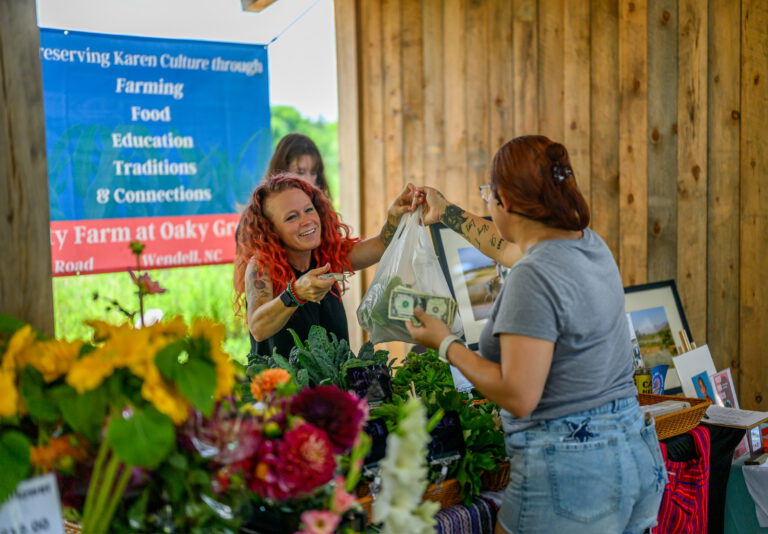
In June 2025, TLC hosted our first Land & Harvest Festival at Williamson Preserve. More than 230 people attended the festival, enjoying a farmers market, guided hikes, live music, and local food and beer trucks. The successful event gave people a close-up look at the farms’ day-to-day operations and helped connect the farmers to the local community.
Keep an eye out for news about future festivals.


Resources
Land history
Farmland conservation
Questions?
To learn more about the Williamson Farm Program, contact Heather Szaro at hszaro@triangleland.org.