Community Science
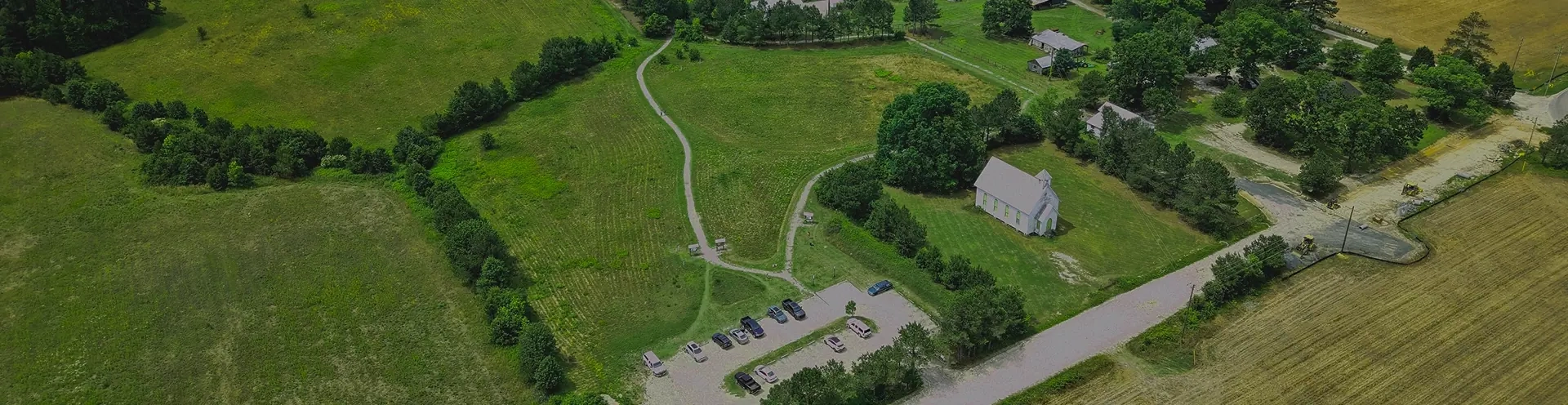
Community science offers the chance to connect with scientists and research projects right in our backyards.
Community science projects are often seasonal or self-led and few require prior knowledge or experience. Browse the opportunities below and reach out to Kayla Ebert, Senior Education & Outreach Manager, at kebert@triangleland.org with any questions.
Great Backyard Bird Count
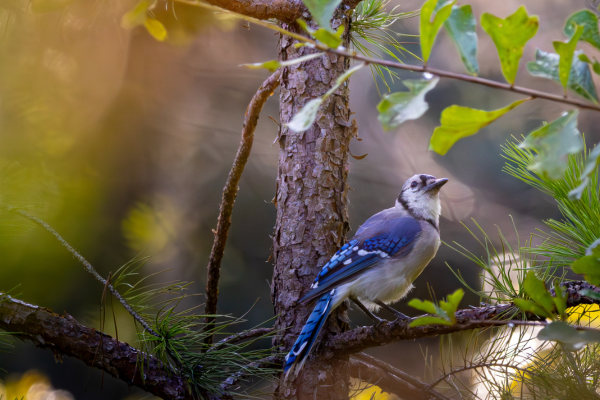
Each February, the Great Backyard Bird Count collects community data on birds, gaining knowledge on the distribution and abundance of bird species and identifying changes from year to year. Join TLC on guided bird walks or contribute on your own during this annual event.
EcoEXPLORE
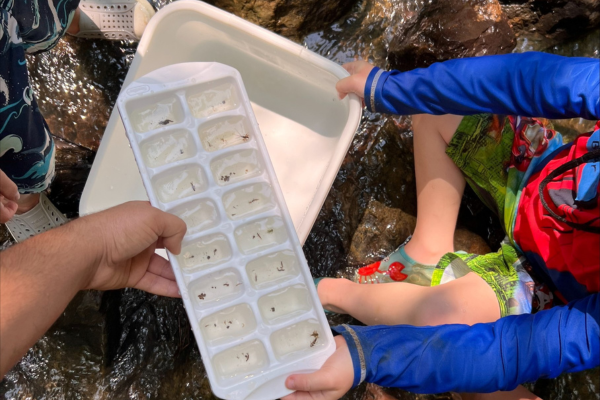
Developed by the North Carolina Arboretum, this incentive-based program engages children grades K-8 in a fun learning environment exploring the outdoors through citizen science. TLC hosts two hotspot sites at Brumley Nature Preserve and Bailey & Sarah Williamson Preserve.
Lake Observations by Citizen Scientists and Satellites (LOCSS)
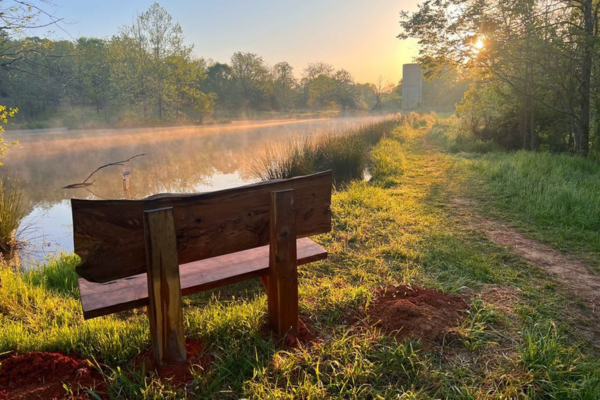
Help scientists better understand how the volume of water in lakes is changing over time! TLC has LOCSS pond gauges at Brumley Nature Preserve and Bailey & Sarah Williamson Preserve. Find the gauge and text the reading to the phone number on the sign.
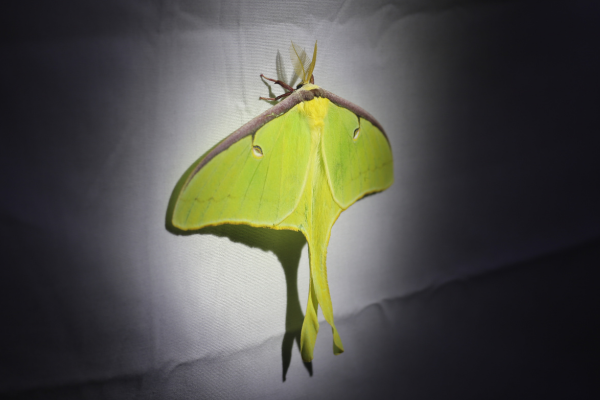
NC Moth Project
Started by Backyard Butterflies, the NC Moth Project focuses on moth education, community outreach, and citizen science activities. Participate in surveys from summer to early fall!
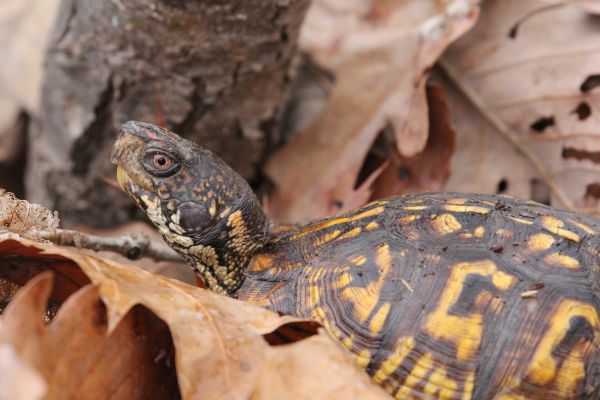
HerpMapper – Eastern Box Turtles
Help scientists and TLC better understand Eastern box turtles, who face threats from habitat loss. See a box turtle? Snap a photo and record the sighting on this Google Form. This remote volunteer opportunity can be done at any TLC preserve. Detailed instructions can be found below.
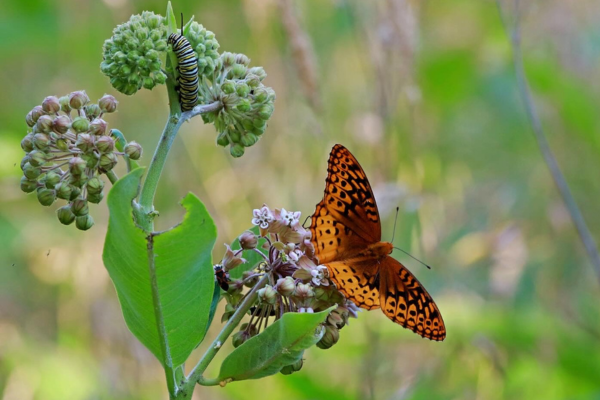
Caterpillars Count!
This UNC Chapel Hill-based project measures seasonal variation and abundance of arthropods like caterpillars, beetles, and spiders. You can monitor insect populations by conducting visual foliage surveys from spring to summer and upload observations to the app – try it out at home or visit the TLC’s host site at Johnston Mill Nature Preserve.
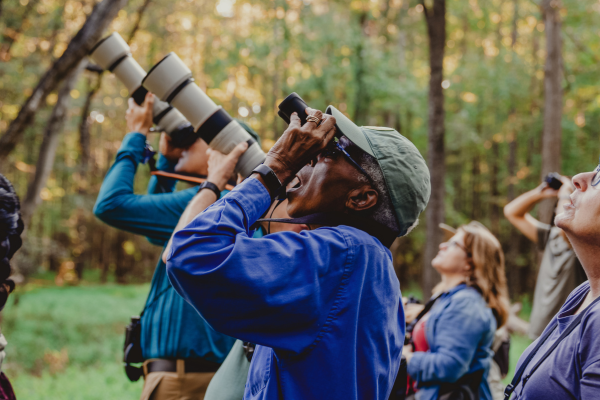
eBird
Help TLC document bird abundance and distribution year-round! Whenever you visit a TLC nature preserve, document your bird sightings on eBird. For details, tutorials, and more, check out the Getting Started section of the eBird website.
iNaturalist
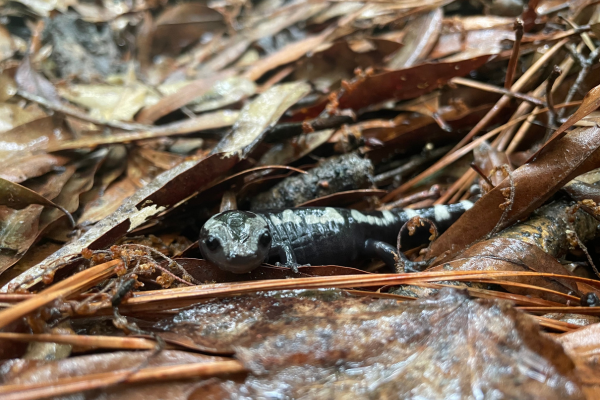
Identify and keep track of the plants, animals, and other wildlife you find! Users can upload photos or sounds to help build a global database of biodiversity that conservationists and scientists can use for research and environmental protection. Explore current TLC iNaturalist projects here.